


This article is part of a five-part series focusing on the biotech industry, Genzyme and Pulitzer Prize-winning reporter Geeta Anand’s book The Cure. Please click here to learn more about this series.
The Quest For Generic Biotech Drugs: Pricing, Profits & Genzyme
In September 2006, Representative Henry Waxman announced the “Access to Life-Saving Medicine Act.” Waxman proposed this legislation because:
“[T]here is no generic competition for one of the fastest growing and most expensive category of drugs: so-called biotech drugs, also known as biological drugs or biopharmaceuticals. It is common for these drugs to cost tens of thousands of dollars a year, even after patent expiration. Many patients are now denied access to these important drugs because even the co-payments can reach thousands of dollars a year. And the sky-rocketing cost of biotech medicines is imposing increasing burdens on employers, insurers, and the federal government.”
Some may believe that it is relatively easy to develop a generic biotech drug. 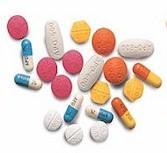 However, things are not that simple. Manufacturers of generic medications are allowed by the Food and Drug Administration to submit what are called “abbreviated new drug applications.”
Companies are not required to demonstrate that their generic is safe and effective. Instead, they must only show that it is chemically and pharmaceutically identical (i.e., bioequivalent) to the branded medication it is designed to replace. However, according to a very informative article on this subject published in Biopharm International:
“The manufacturing process for each biologic [biotech drug] defines, to a significant extent, the product because biologics are based on living cells or organisms whose metabolisms are inherently variable. Moreover, apparently small differences between manufacturing processes can cause significant differences in the clinical properties of the resulting products . . . It is not scientifically reasonable or safe to simply expect that the clinical properties of a pioneer's product would be shared by the follow-on product. The only way to characterize the clinical properties of the follow-on product is to evaluate them in appropriately designed clinical studies.”
In short, manufacturing a biotech drug is a very complex enterprise. There is no guarantee that a product produced using a different process would be clinically equivalent. Waxman’s bill attempts to clarify how the government would determine whether a generic biologic is effective by:
-Giving Health and Human Services (HHS) the ability to approve abbreviated new drug applications for products that are “comparable to previously approved (reference) [biotech] products.”
-“A comparable biological product application must demonstrate that there are no clinically meaningful differences between the two products. The application must also show that the new product shares the ‘principal molecular structural features’ of the reference product and the same mechanism(s) of action, if known.”
-HHS “has discretion on a case-by-case basis to determine what studies are necessary to establish comparability, and may require a clinical study or studies, but only if necessary.”
There are rumblings that parts of Waxman’s legislation may be bundled into the bill that would renew the FDA’s user fee agreement with the pharmaceutical industry. I’m sure we’ll see lots of conversation about the most appropriate, ethical and safe ways to determine if a generic biologic is indeed “comparable” to a branded biotech medication.
The Focus On Price
Don’t expect the debate over generic biologics to be resolved anytime soon. In the meantime, biotech companies will have to deal with and respond to an increasing flood of articles highlighting the high price of biotech medications. For example, in January 2007, the New York Times published a major article examining the cost of biotech psoriasis drugs. According to the Times:
“When the biotech industry began rolling out psoriasis drugs a few years ago, experts heralded the new medications as safer, more effective treatments for the skin disease. And the companies — Amgen, Genentech and Biogen Idec, arguably the industry’s best-known firms — forecast a repeat of the success they have had with similarly priced drugs for rheumatoid arthritis, multiple sclerosis and cancer.
But they may have overestimated the medical establishment’s willingness to spend $10,000 to $35,000 a year on treatments for psoriasis, a condition that is often, though incorrectly, perceived as merely a cosmetic problem. Many insurers are insisting that psoriasis patients try older, cheaper therapies first before approving reimbursement of a biotech drug, frustrating some doctors and patients.”
The high price of biotech drugs has powered the earnings of many major biopharmaceutical companies. Investors are happy about this, but others are lamenting the impact on consumers. In some cases, especially cancer, patients are being forced to make decisions about whether their life is worth the hundreds of thousands of dollars they will have to spend out-of-pocket to have access to the newest biotech treatments.
Genzyme Addresses The Price Question
The biotech firm Genzyme has come under intense criticism because its medications, which are often the only treatments for rare illnesses, are very expensive. In March 2006, I spoke with Genzyme about its pricing policies. Following is a (paraphrased) summary of what they had to say about this issue.
Our Drugs Are Expensive To Develop, But We Are Committed To Ensuring Access
Overall, biotech medications are very expensive to develop. In addition, we manufacture drugs for very rare conditions, which adds to the expense. When people challenge us on why our drugs cost so much, we tell them about what it takes to make our medications. After hearing what we have to say, they have a better appreciation for why our drugs are so expensive.
However, we are also aware that some people have a hard time paying for our medications. We have a number of robust patient assistance programs designed to ensure that all patients have access to our drugs.
We Help Physicians Answer Tough Questions About Drug Prices
Genzyme has a stellar reputation within the medical community. This is partly because we take our responsibilities as a corporate citizen very seriously. We work with physicians to help their patients receive treatment – either via our programs or their insurers. We know patients will be angry about our drug prices, and we are committed to helping doctors answer their questions and satisfy their needs.
The Next Installment
In the next installment of this series, I will examine Wall Street Journal reporter Geeta Anand’s The Cure, which focuses heavily on Genzyme.
» New Series: The Biotech Industry, Genzyme & The Cure from HealthCareVox
Last year, I wrote an article, “Why Genzyme Should Start A Blog,” focusing on the controversy surrounding the company’s pricing strategy for Cerezyme. This medication is designed to treat Gaucher’s disease, a rare illness ... [Read More]
Tracked on: February 13, 2007 9:53 AM | Permalink to Trackback